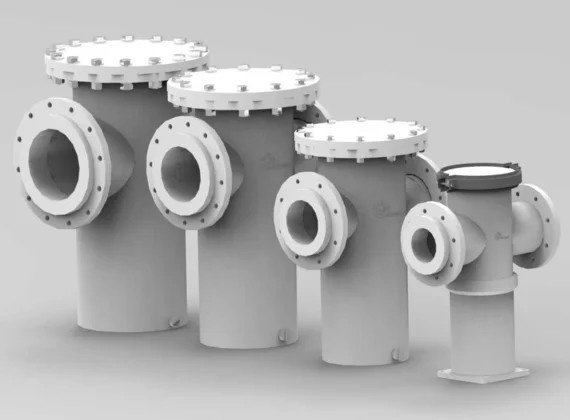
The oil and gas industry depends heavily on specialised equipment to maintain efficiency, safety, and operational stability. From drilling to processing and transportation, each stage requires carefully designed machinery to handle complex conditions. Equipment selection plays a critical role in ensuring uninterrupted operations and maintaining output quality. With increasing demand and evolving industrial standards, the importance of reliable systems has grown significantly. Understanding the different types of equipment used across operations helps in improving performance and reducing downtime.
This article provides a structured overview of essential equipment used in oil and gas industry operations.
Overview of Equipment Used in the Oil and Gas Industry
The oil and gas sector operates through three major stages: upstream, midstream, and downstream. Each stage requires a distinct set of equipment designed for specific functions.
- Upstream: Involves exploration and drilling
- Midstream: Focuses on transportation and storage
- Downstream: Deals with refining and distribution
Equipment used across these stages ensures smooth handling of fluids, pressure management, and process control. The complexity of operations makes it essential to use highly durable and efficient systems.
Drilling Equipment in Oil and Gas Operations
Drilling is one of the most critical processes in the oil and gas industry. It involves penetrating the earth’s surface to extract hydrocarbons.
Drilling Rigs
Drilling rigs are large structures equipped with tools necessary for drilling wells. They are designed to operate in both onshore and offshore environments.
Drill Pipes and Tools
Drill pipes, drill bits, and other tools are used to create boreholes. These components must withstand high pressure and extreme conditions, making material quality and design crucial.
Production Equipment and Its Functions
Once hydrocarbons are extracted, production equipment ensures proper handling and separation of fluids.
Separators
Separators are used to divide oil, gas, and water. They play a vital role in maintaining product quality and operational efficiency.
Pumps and Valves
Pumps and valves regulate the flow of fluids within the system. Their performance directly impacts the overall productivity of operations.
Role of Pumps in Oil and Gas Operations
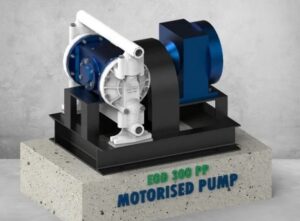
Pumps are essential for transporting fluids across different stages of oil and gas operations. They are used for transferring crude oil, chemicals, and refined products.
Reliable systems supplied by oil pump manufacturers ensure consistent performance and reduced operational interruptions. The design of pumps must consider factors such as pressure, flow rate, and fluid characteristics.
Different types of pumps used include:
- Centrifugal pumps
- Positive displacement pumps
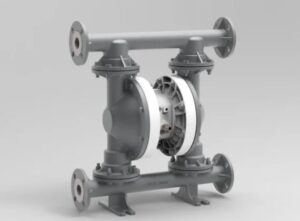
- Diaphragm pumps
The efficiency of pumping systems contributes significantly to maintaining process continuity and system stability. High-quality pumps help reduce energy consumption and minimise maintenance requirements.
Processing Equipment Used in Oil and Gas
Processing equipment is used to refine and treat extracted hydrocarbons to make them suitable for further use.
Heat Exchangers
Heat exchangers regulate temperature by transferring heat between fluids. They are essential for maintaining process conditions.
Compressors
Compressors increase the pressure of gases, enabling smooth transportation and processing. They are widely used in gas handling systems.
These systems must operate efficiently under varying conditions to ensure optimal output.
Transportation and Storage Equipment
Transportation and storage are critical for maintaining supply chain continuity in the oil and gas industry.
Pipelines
Pipelines are used to transport oil and gas over long distances. They are designed to handle high pressure and varying temperatures.
Storage Tanks
Storage tanks hold crude oil and refined products before distribution. Proper design and maintenance are necessary to prevent leakage and contamination.
Safety and Control Equipment
Safety is a major concern in oil and gas operations due to the hazardous nature of materials involved.
Monitoring Systems
Monitoring systems track pressure, temperature, and flow rates to ensure safe operations.
Control Panels
Control panels allow operators to manage equipment and processes efficiently. Automation has improved accuracy and reduced human error.
Importance of Equipment Manufacturing Quality
The performance of oil and gas equipment depends largely on manufacturing standards. High-quality equipment ensures durability, reliability, and safety.
Reputed oil and gas equipment manufacturing companies focus on precision engineering and strict quality control to meet industry requirements. Their expertise helps in delivering systems that can withstand harsh operating environments.
Selecting the right manufacturer is essential for maintaining operational efficiency and reducing long-term costs. Equipment that meets industry standards contributes to smoother processes and improved output.
Emerging Trends in Oil and Gas Equipment
Technological advancements are shaping the future of oil and gas equipment. Automation and digital monitoring systems are becoming increasingly common.
Key trends include:
- Smart monitoring systems
- Energy-efficient equipment
- Modular system designs
These developments are helping industries improve performance while reducing operational risks.
Conclusion
The oil and gas industry relies on a wide range of equipment to ensure efficient and safe operations across all stages. From drilling to processing and transportation, each component plays a critical role in maintaining system performance. High-quality equipment and reliable manufacturing standards contribute to long-term operational success.
As industry demands continue to evolve, the importance of advanced and efficient systems becomes even more significant. Reliable solution providers, including NND OIL & GAS, support this ecosystem by offering dependable systems that align with modern industrial requirements and help maintain consistency in complex operations.