
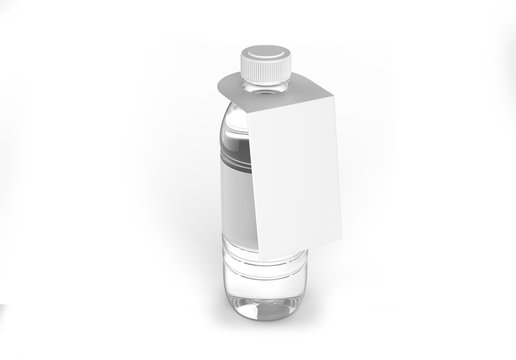
In today’s competitive retail landscape, packaging has evolved far beyond its traditional role of simply protecting products. It now serves as a powerful communication tool—one that can influence purchasing decisions, convey brand values, and enhance customer experience. Among the many packaging elements gaining traction, custom bottle neck hang tags have emerged as a subtle yet highly effective way to elevate product presentation.
From artisanal beverages to luxury cosmetics, brands across industries are leveraging these tags to stand out on crowded shelves while delivering meaningful information to consumers.
What Are Custom Bottle Neck Hang Tags?
Custom bottle neck hang tags are specially designed labels or cards that hang around the neck of a bottle. Unlike standard adhesive labels, these tags offer flexibility in design, shape, and messaging. They are typically used for products such as:
- Wine and spirits
- Craft beverages
- Olive oils and gourmet sauces
- Skincare and beauty products
These tags can include anything from branding and storytelling to promotional messages or product details, making them a versatile addition to packaging strategies.
Why Brands Are Turning to Bottle Neck Tags
1. Enhanced Visual Appeal
First impressions matter, especially in retail. A well-designed bottle neck tag adds a layer of sophistication and uniqueness that can immediately capture attention. Whether it’s through premium materials, embossed finishes, or creative shapes, custom bottle neck tags can make a product visually distinctive without altering the primary packaging.
2. Additional Space for Storytelling
Packaging space is often limited, particularly on smaller bottles. Neck tags provide extra real estate for brands to communicate their story, values, or product benefits. This is especially valuable for businesses that emphasize craftsmanship, sustainability, or heritage.
For example, a small-batch beverage brand might use a neck tag to explain its sourcing process or highlight its commitment to organic ingredients.
3. Cost-Effective Marketing Tool
Compared to redesigning an entire label or bottle, adding a neck tag is relatively cost-effective. It allows brands to run seasonal promotions, limited editions, or special campaigns without significant investment.
This flexibility makes custom bottle neck hang tags an ideal solution for short-term marketing initiatives.
Key Design Considerations
Creating effective bottle neck tags requires more than just aesthetic appeal. Several factors contribute to their success:
Material Selection
The choice of material can significantly impact perception. Common options include:
- Kraft paper for a natural, eco-friendly look
- Coated cardstock for durability and vibrant printing
- Textured or specialty papers for a premium feel
Sustainable materials are increasingly popular, aligning with consumer demand for environmentally responsible packaging.
Shape and Size
While traditional rectangular tags remain common, many brands are experimenting with die-cut shapes to reflect their identity. Circular, oval, or custom silhouettes can add a creative edge while maintaining functionality.
Typography and Messaging
Clarity is crucial. The text should be easy to read at a glance, with a hierarchy that guides the viewer’s attention. Key elements might include:
- Brand name or logo
- Product highlights
- Call-to-action (e.g., “Try Me,” “Limited Edition”)
Balancing creativity with readability ensures the tag delivers its intended message effectively.
Regional Trends: The Rise of Custom Bottle Neck Tags in the UK
The demand for custom bottle neck tags UK has seen steady growth, particularly in sectors like craft beverages and premium food products. This trend is driven by several factors:
- Increasing competition among boutique brands
- Consumer preference for unique and artisanal products
- A strong focus on sustainability and ethical sourcing
In urban centers such as custom bottle neck tags London, innovation in packaging design is especially prominent. Brands are experimenting with minimalist aesthetics, eco-friendly materials, and interactive elements like QR codes that link to digital content.
This regional emphasis on design and sustainability reflects broader global trends, positioning the UK as a hub for creative packaging solutions.
Use Cases Across Industries
Beverage Industry
Perhaps the most common application, bottle neck tags in the beverage sector serve multiple purposes:
- Highlighting awards or certifications
- Promoting new flavors or variants
- Sharing pairing suggestions or serving tips
For example, a winery might use a neck tag to describe tasting notes or suggest food pairings, enhancing the consumer’s overall experience.
Beauty and Personal Care
In cosmetics, presentation plays a crucial role. Neck tags can be used to:
- Introduce new product lines
- Provide usage instructions
- Emphasize key ingredients or benefits
This added layer of information can help build trust and encourage informed purchasing decisions.
Gourmet Food Products
Premium oils, sauces, and condiments often rely on storytelling to differentiate themselves. Neck tags allow brands to communicate origin stories, recipes, or chef recommendations, creating a deeper connection with consumers.
Sustainability and Ethical Packaging
As environmental concerns continue to shape consumer behavior, sustainability has become a key consideration in packaging design. Many brands are now opting for:
- Recyclable or biodegradable materials
- Minimalist designs to reduce ink usage
- Reusable tag concepts
By aligning custom bottle neck tags with eco-friendly practices, businesses can reinforce their commitment to sustainability while appealing to conscious consumers.
Digital Integration: Bridging Physical and Online Experiences
One of the most exciting developments in packaging is the integration of digital elements. Bottle neck tags are increasingly being used to bridge the gap between physical products and online experiences.
Examples include:
- QR codes linking to product videos or brand stories
- NFC technology for interactive engagement
- Social media prompts encouraging user-generated content
This approach not only enhances customer engagement but also provides valuable data insights for brands.
Best Practices for Effective Implementation
To maximize the impact of bottle neck tags, brands should consider the following:
Keep It Relevant
The message on the tag should align with the product and target audience. Irrelevant or overly complex information can detract from the overall experience.
Prioritize Quality
Poorly designed or low-quality tags can have the opposite effect, diminishing perceived value. Investing in high-quality materials and printing ensures consistency with brand standards.
Test and Iterate
As with any marketing tool, testing different designs and messages can provide valuable insights. A/B testing or limited runs can help identify what resonates most with consumers.
The Future of Bottle Neck Tag Design
Looking ahead, the role of bottle neck tags is likely to expand further as brands continue to explore innovative ways to connect with consumers. Emerging trends include:
- Personalization through variable data printing
- Smart packaging with enhanced digital features
- Greater emphasis on circular design and reusability
As these trends evolve, custom bottle neck hang tags will remain a versatile and impactful element in the packaging ecosystem.
Conclusion
In an era where consumer attention is increasingly difficult to capture, every detail of product presentation matters. Custom bottle neck hang tags offer a unique opportunity to enhance visual appeal, communicate brand values, and engage customers in meaningful ways.
From the growing popularity of custom bottle neck tags UK to the design innovation seen in custom bottle neck tags London, it’s clear that these small yet powerful additions are shaping the future of packaging.
By focusing on thoughtful design, sustainability, and strategic messaging, brands can leverage bottle neck tags not just as decorative elements, but as integral components of a comprehensive marketing and storytelling strategy.