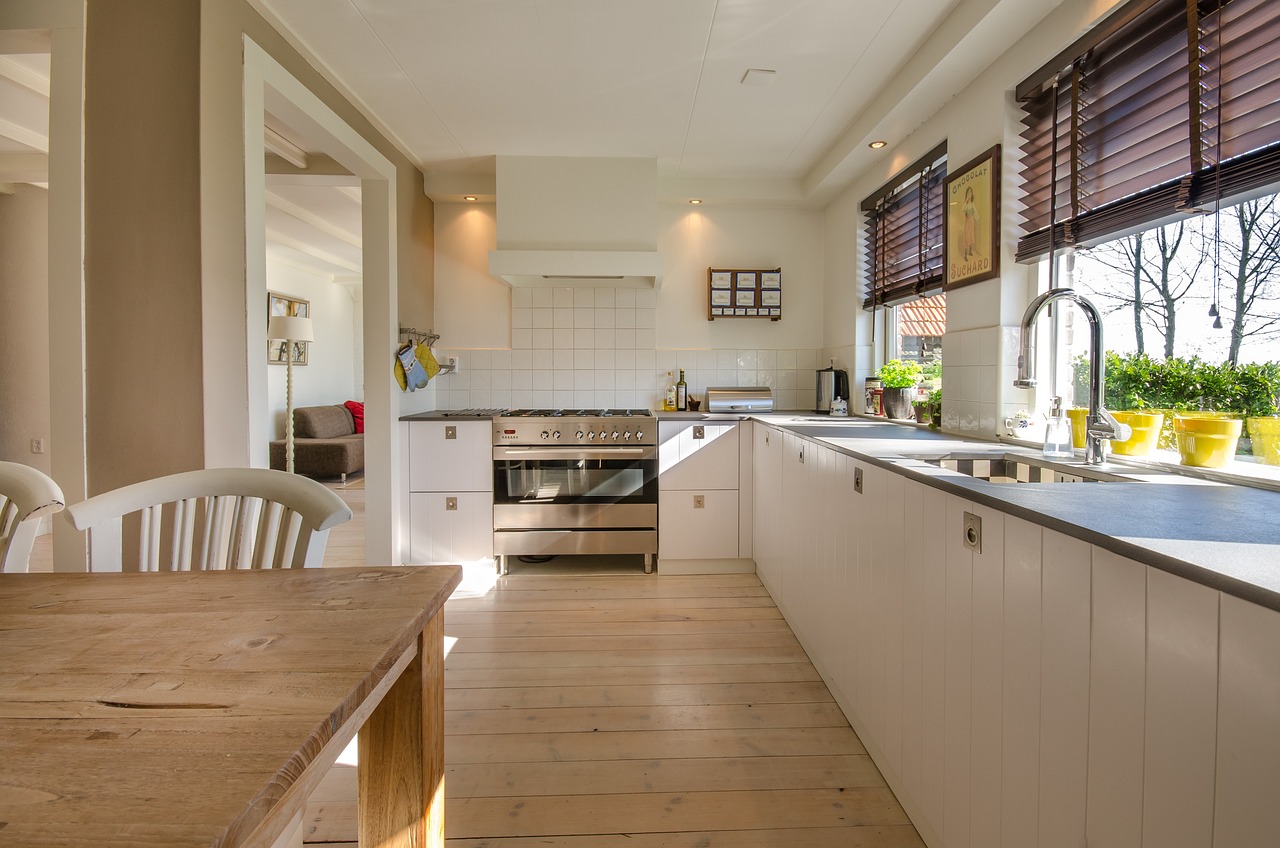
You want flooring that looks great, lasts, and adds value to your space. Premium floor installation combines high-quality materials with precise workmanship, so your floors perform better and require less upkeep over time. This article shows how professional choices—materials, installation methods, and site preparation—affect durability, appearance, and cost.
You’ll learn how to match Premium Flooring Installation type to traffic, moisture, and style needs, and what to expect from installers so you avoid common mistakes. Practical guidance will help you decide between hardwood, vinyl, tile, and laminate and feel confident about the investment.
Premium Flooring Installation Overview
You’ll learn which materials match specific rooms and lifestyles, how professionals prepare subfloors and control moisture, and the concrete advantages that justify higher upfront costs.
Types of Premium Flooring Materials
Choose materials based on traffic, moisture exposure, and maintenance preferences. Solid hardwood (oak, maple, walnut) offers decades of life with refinishing, but needs stable humidity and is best for living rooms and bedrooms. Engineered hardwood gives real-wood surfaces with better dimensional stability for basements or kitchens.
Luxury vinyl plank (LVP) replicates wood or stone grain, resists water, and suits kitchens, mudrooms, and bathrooms. Porcelain and natural stone tile handle heavy moisture and heat; they require proper subfloor preparation and grout sealing.
For a high-end look with low upkeep, consider large-format porcelain or engineered wood with a high-pressure laminate wear layer. Match thickness, wear rating, and backing type to your installation method and underlayment needs.
Professional Installation Process
A professional installer begins with a thorough site assessment and precise measurements to minimize waste and pattern mismatch. They inspect and, if needed, level the subfloor, install moisture barriers, and acclimate materials—especially wood—for 48–72 hours.
Installation techniques depend on material: floating click systems for some engineered and laminate floors, glue-down or full-spread adhesives for vinyl and some tiles, and nail-down for solid hardwood. Professionals handle transitions, expansion gaps, baseboards, and final sanding/sealing when required.
Expect a clear timeline and protection steps for your home during work. Accurate layout, correct fasteners/adhesives, and proper sequencing reduce callbacks and ensure warranties remain valid.
Benefits of Choosing Premium Flooring
Premium materials deliver longer service life and retain resale value, often allowing multiple refinishes for hardwood or durable wear layers for LVP. You’ll get better dimensional stability, denser cores, and higher-quality finishes that resist scratches and staining.
Professionally installed premium floors perform better under warranty and require less frequent replacement, which lowers lifetime cost despite higher upfront price. You also gain more design options—custom plank widths, natural stone veining, and matching trim—so the final look aligns with your home’s style.
Reduced maintenance and better indoor-air quality can follow from low-VOC finishes and properly sealed installations, which matter if you have children, pets, or allergy concerns.
Selecting the Right Flooring for Your Space
You should match material performance to room use, budget, and aesthetic goals. Focus on wear resistance, moisture tolerance, maintenance needs, and realistic cost including installation.
Comparing Popular Flooring Options
Hardwood: choose solid oak, maple, or hickory for long-term value and the ability to sand and refinish; expect higher upfront cost and sensitivity to moisture. Engineered hardwood gives the same look with better stability in basements or over radiant heat.
Luxury vinyl plank (LVP): highly water-resistant, affordable, and available in rigid or flexible cores; ideal for kitchens, bathrooms, and high-traffic rooms. Look for wear-layer thickness (at least 20 mil for heavy use).
Porcelain tile: virtually waterproof and hard-wearing; choose rectified edges for tight grout lines and a slip-rated finish in wet areas. Installation and substrate prep matter more than tile price.
Laminate: low-cost wood look with good scratch resistance but limited water tolerance unless specified as waterproof. Carpet remains a good choice for bedrooms and stairs where softness and warmth matter, but expect higher maintenance and shorter lifespan.
Factors to Consider: Durability, Style, and Budget
Durability: quantify expected traffic and choose materials accordingly. For pets and kids, pick scratch- and stain-resistant surfaces (LVP 20–30 mil wear layer or hard-surface tile). Confirm warranty terms and expected lifecycle (e.g., 20–30 years for hardwood with refinishing).
Style: select plank width, color tone, and finish for cohesion with your cabinetry and trim. Match scale—wide planks suit open areas; narrow boards fit small rooms. Test samples in your light across different times of day.
Budget: include material, underlayment, removal of existing floor, subfloor repairs, and labor. Get at least three installation quotes and compare line-item costs. Allocate a contingency of 10–20% for unexpected subfloor work or moisture mitigation.