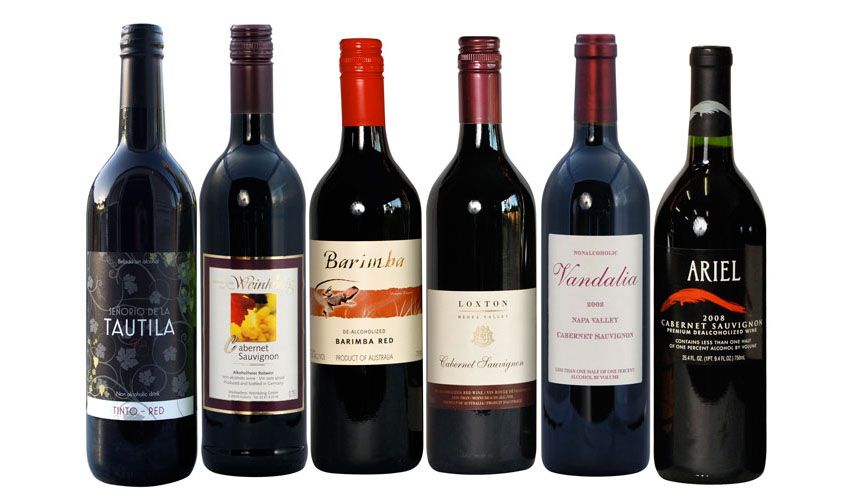
Wine has been part of human culture for thousands of years, symbolizing celebration, tradition, and craftsmanship. In recent years, however, a new category has gained popularity: non-alcoholic alternatives that aim to replicate the taste and experience of wine without alcohol.
As more people seek healthier lifestyles, religious compliance, or personal preference options, understanding the differences between traditional wine and non alcoholic wine becomes increasingly important.
This article explores how they differ in production, taste, health effects, cultural role, and consumer experience.
What Is Traditional Wine?
Traditional wine is an alcoholic beverage made through the fermentation of crushed grapes or other fruits. During fermentation, yeast converts natural sugars into alcohol and carbon dioxide. The alcohol content typically ranges from 5% to 15%, depending on the type of wine.
There are many varieties of traditional wines, including red, white, rosé, sparkling, and dessert wines. Each type differs based on grape variety, fermentation process, aging techniques, and regional production methods.
Wine has historically been associated with social gatherings, religious ceremonies, and fine dining. Its complexity in flavor, aroma, and aging potential makes it a highly valued beverage across cultures.
What Is Non-Alcoholic Wine?
Non-alcoholic wine is designed to mimic the taste and experience of traditional wine while containing little to no alcohol. In most cases, it starts as a regular wine that undergoes a dealcoholization process to remove or reduce alcohol content.
There are several methods used to produce non alcoholic wine, including vacuum distillation, reverse osmosis, and controlled evaporation. These techniques aim to preserve the original flavors and aromas while eliminating alcohol.
Although it closely resembles wine in appearance and taste, it typically contains less than 0.5% alcohol, which is considered negligible in many countries.
Production Process Differences
The most significant difference between the two lies in how they are made.
Traditional wine is completed once fermentation and aging are finished. Alcohol is an essential part of its structure, contributing to body, texture, and preservation.
In contrast, non alcoholic wine undergoes an additional step after fermentation: alcohol removal. This extra stage can sometimes affect flavor complexity, as alcohol plays an important role in carrying aromas and enhancing mouthfeel.
Because of this, winemakers often need to carefully balance taste restoration after dealcoholization, sometimes adding natural grape juice or flavor compounds to improve depth.
Taste and Aroma Comparison
Taste is one of the most noticeable differences between the two beverages.
Traditional wine is known for its layered complexity—notes of fruit, oak, spice, and tannins evolve as the wine breathes. Alcohol enhances these sensations and gives wine its characteristic warmth and structure.
On the other hand, non alcoholic wine may taste slightly lighter or sweeter. Some versions successfully replicate the depth of flavor, while others may feel closer to grape juice with subtle wine-like notes.
However, advancements in production technology have significantly improved quality. Premium non alcoholic wine now offers more refined and authentic flavor profiles than ever before.
Health and Lifestyle Considerations
One of the main reasons people choose wine is health-related.
Traditional wine contains alcohol, which, when consumed in excess, can lead to health risks such as liver damage, addiction, and impaired judgment. However, moderate consumption of red wine has also been associated with potential heart health benefits due to antioxidants like resveratrol.
In contrast, wine provides a similar drinking experience without the risks associated with alcohol consumption. It is often chosen by pregnant individuals, people avoiding alcohol for religious reasons, athletes, or those simply trying to reduce calorie intake.
Additionally, wine generally contains fewer calories, making it appealing to health-conscious consumers.
Social and Cultural Role
Wine plays a significant role in social and cultural traditions worldwide. Traditional wine is often present at celebrations, weddings, religious ceremonies, and formal dinners. It is deeply tied to cultural identity in regions such as France, Italy, and Spain.
The rise of wine has introduced more inclusivity into these settings. People who do not drink alcohol can now participate more fully in social rituals without feeling excluded.
This shift is particularly important in modern hospitality, where inclusivity and diverse guest preferences are becoming priorities.
Legal and Consumption Differences
Another key difference lies in legal regulations.
Traditional wine is restricted by age in most countries due to its alcohol content. It also falls under specific taxation and distribution laws.
Wine, however, is generally not subject to the same strict regulations, although labeling laws vary depending on alcohol content thresholds. In most places, beverages containing less than 0.5% alcohol can be sold without age restrictions.
This makes non alcoholic more accessible to a broader audience.
Price and Market Trends
Traditionally, wine pricing varies widely based on region, grape quality, aging, and brand reputation. Premium wines can be extremely expensive, while everyday table wines remain affordable.
zero alcohol champagne alternative, however, is often priced similarly or slightly higher than mid-range traditional wines. This is because the dealcoholization process adds production costs and requires specialized technology.
The global demand for healthier alternatives has driven rapid growth in this market. As a result, more wineries are investing in improving quality and expanding their alcohol-free product lines.
Which One Should You Choose?
The choice between traditional wine and alcoholic wine depends on personal preference, lifestyle, and purpose.
If you enjoy full-bodied complexity, cultural tradition, and the effects of alcohol, traditional wine may be more suitable. It offers depth, history, and sensory richness that many enthusiasts appreciate.
However, if you prefer avoiding alcohol for health, religious, or personal reasons, non alcoholic wine offers a compelling alternative. It allows you to enjoy the ritual and flavor of wine without intoxication.
Ultimately, both serve different needs and coexist in today’s diverse beverage landscape.
Conclusion
The beverage world is evolving, and consumers now have more choices than ever before. While traditional wine remains a symbol of heritage and craftsmanship, non alcoholic wine represents innovation, inclusivity, and health-conscious living.
Understanding the differences helps consumers make informed decisions based on their lifestyle and preferences. Whether you choose the depth of a classic vintage or the modern appeal of wine, both options reflect the rich and evolving culture of wine appreciation.