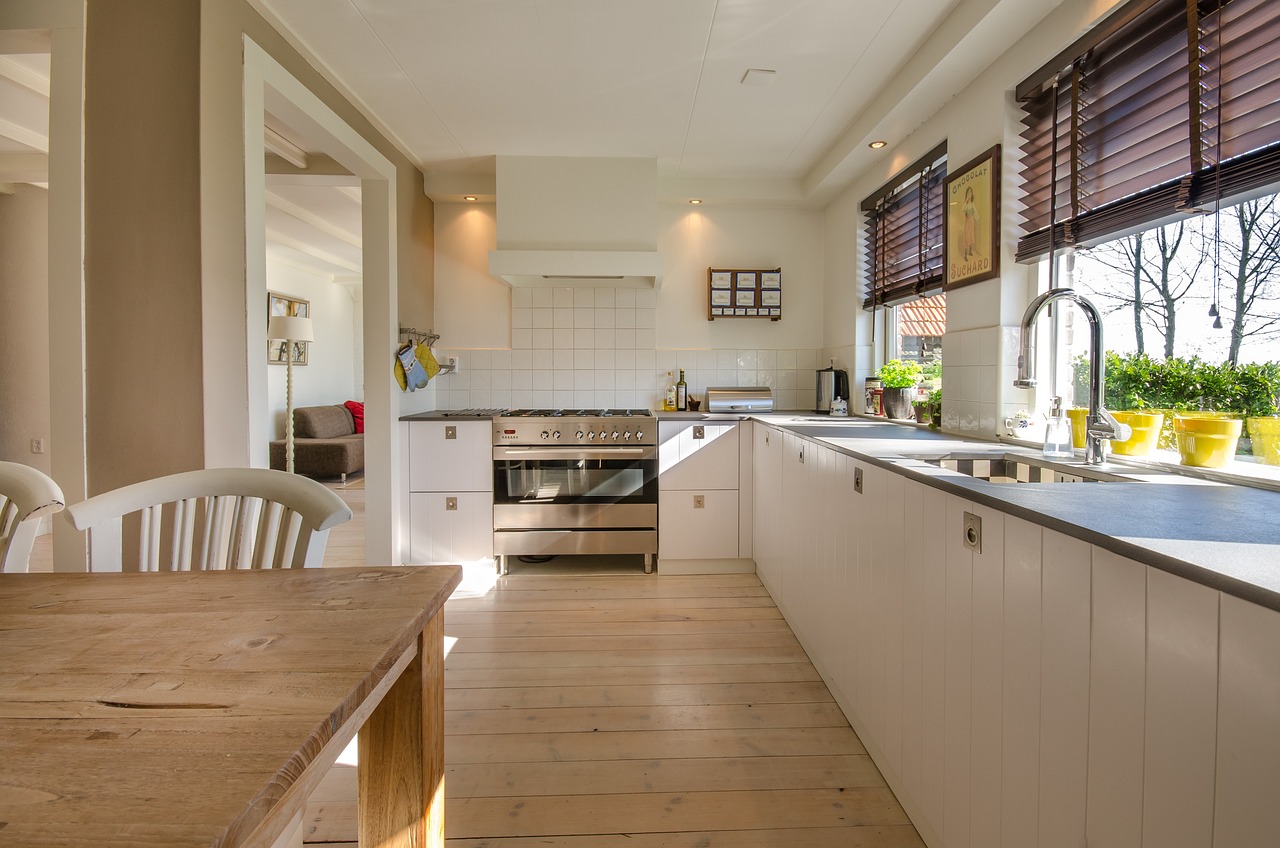
You want a kitchen renovators who fits your style, timeline, and budget — and you can find one nearby by checking local portfolios, reviews, and showroom visits. Start by narrowing choices to contractors who show relevant experience in your area, transparent pricing, and strong customer feedback; that approach lets you move from overwhelm to confident decision-making.
In Kitchen Renovators Near Me As you explore options, focus on practical signals: completed projects that match your desired look, clear communication about schedule and permits, and warranties on workmanship. The next sections will guide you through finding, vetting, and planning with a local professional so your project stays on track and delivers the results you expect.
Finding the Right Kitchen Renovators Near Me
Know what matters most: skilled workmanship, clear pricing, and contractors who understand local building codes and timelines. Prioritize renovators who show past projects, provide detailed written estimates, and carry proper insurance.
Criteria for Evaluating Local Kitchen Renovators
Look for specialists who list kitchen renovations as a primary service and can show recent, relevant portfolios. Ask for project photos that match your desired style and scope—cabinet refacing, full gut-and-replace, or layout changes—and request references for projects completed within the last 18 months.
Assess communication and responsiveness during your first contact. A good renovator gives a single point of contact, provides a realistic start-to-finish timeline, and explains trade coordination (plumbing, electrical, cabinetry). Verify they use licensed subcontractors when required.
Check warranties on labor and materials. Prefer contractors who put warranty terms in writing and who offer itemized invoices that separate materials, labor, permits, and disposal fees.
Understanding Renovation Costs and Estimates
Request at least three written estimates that break costs into line items: demolition, structural work, cabinetry, countertops, appliances, plumbing, electrical, finishes, permits, and waste removal. Compare not just totals but unit prices (e.g., per linear foot of cabinets) and assumed material grades.
Clarify allowances for selections such as countertops and tile. Ask how the contractor handles change orders—both approval process and hourly or fixed rates. Confirm whether the estimate includes permit fees and site protection measures to avoid surprise expenses.
Discuss payment schedule and retainage. A standard approach is a modest deposit, staged progress payments tied to milestones, and a final payment only after a punch list is completed and permits are signed off.
Checking Credentials and Local Experience
Verify business license, proof of liability insurance, and worker’s compensation coverage. Call your municipality or check its building department online to confirm the contractor’s license status and whether past permits were closed properly.
Search local reviews and request references specific to your neighborhood or similar homes. Local experience matters for older houses where hidden issues (knob-and-tube wiring, plaster walls, non-standard framing) commonly arise.
Ask about familiarity with local suppliers and inspectors. A renovator who routinely obtains permits and coordinates inspections in your area will likely keep the project on schedule and meet local code requirements.
Planning and Executing a Kitchen Renovation
You’ll set goals, choose finishes and appliances, and hire pros who match your schedule and budget. Make measurable decisions about layout, timelines, and costs before demo begins.
Key Design Considerations
Decide how you use the kitchen daily. Prioritize the work triangle (sink, stove, refrigerator) and plan circulation paths at least 36 inches wide in main aisles to avoid bottlenecks.
Think about storage needs next. Include full-height pantry space, deep drawers for pots, and a minimum of 15″ of counter landing space on each side of the cooktop for safety and prep. Measure appliance widths and door swings before finalizing cabinet placements.
Set a realistic footprint and layout type—L-shape, galley, island, or U-shape—based on room dimensions. If you change plumbing or move load-bearing walls, add structural and plumbing permits and an extra 10–20% contingency to the budget.
Selecting Materials and Appliances
Choose surfaces that balance durability and maintenance. For countertops, select quartz for low maintenance or honed granite if you accept periodic sealing; laminate works for tight budgets but limits resale appeal.
Pick cabinet construction and finish with longevity in mind. Solid plywood boxes with soft-close drawers last longer than particleboard and will influence pricing. Consider semi-custom cabinets if you need specific dimensions without full custom costs.
Match appliance size and features to your cooking habits. For example, choose a 30″ or 36″ range based on household cooking volume; opt for a 24″ dishwasher for compact kitchens. Confirm electrical and gas requirements before purchase to avoid costly rework.
Coordinating with Contractors
Hire licensed trades for plumbing, electrical, and structural work; get written quotes and a clear schedule. Ask for references, a project timeline with milestones, and proof of insurance before signing.
Create a single point of contact—either you or a project manager—to streamline communication. Use a simple checklist to track permit approvals, material lead times, and delivery windows so installers aren’t delayed on day one.
Agree on payment terms tied to milestones (e.g., deposit, mid-project, completion) and retain 5–10% until final punch list items are fixed. Document all change orders in writing with cost and schedule impacts to avoid disputes.