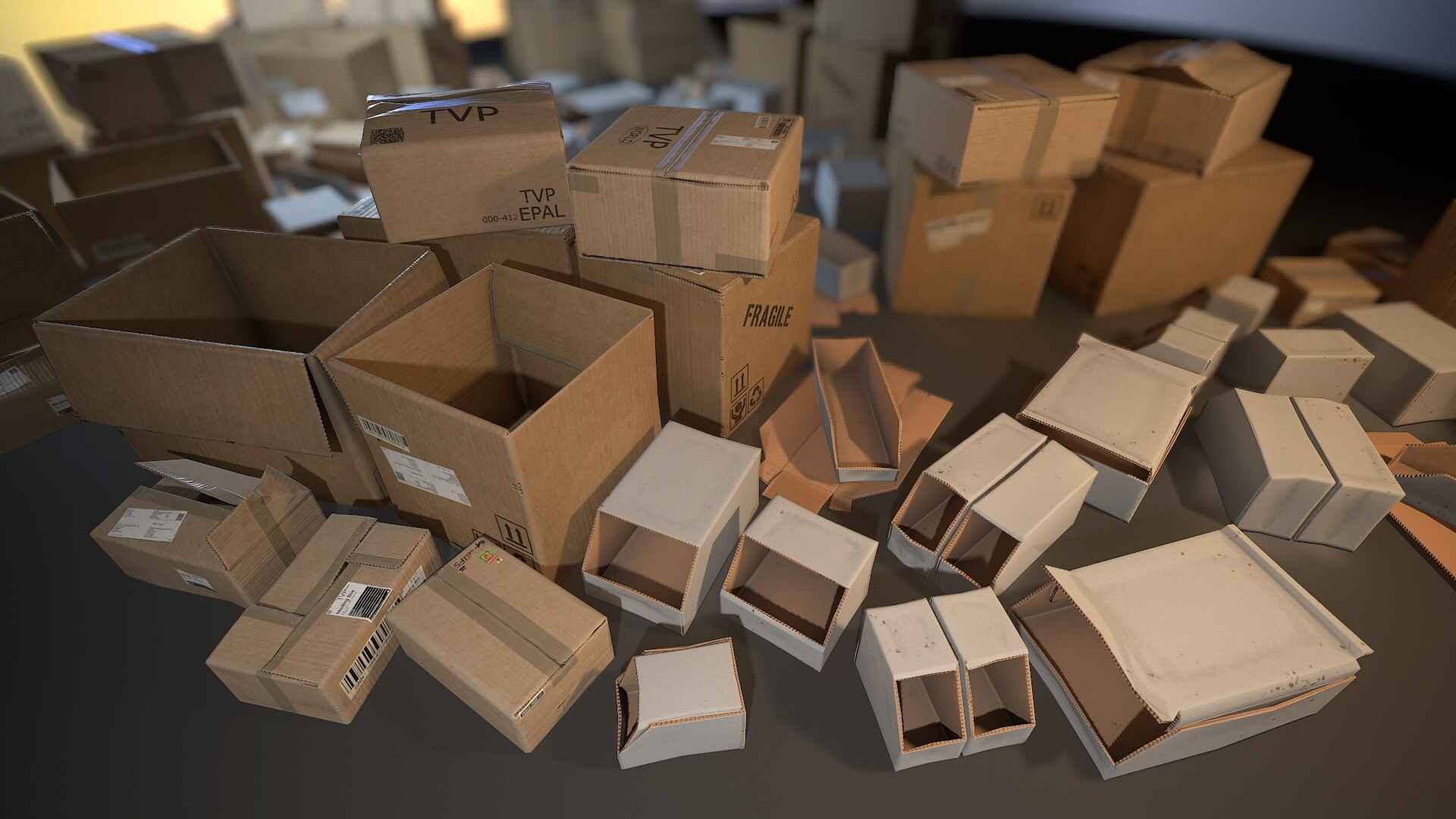
There’s a brand out there; you’ve probably encountered one where the packaging feels so deliberate, so considerate, that you actually slow down when you open it. You don’t tear through it. You notice it. That experience doesn’t happen by accident, and it definitely doesn’t happen with a standard brown box pulled from a wholesale catalog.
It happens because someone made a series of very intentional decisions about structure, material, print, and finish and then made sure all of those decisions worked together instead of against each other.
That’s what Custom Cardboard Boxes actually mean when they’re done right. Not just a logo slapped on a generic container. A purpose-built packaging system that reflects what the brand is and protects what it sells.
The Gap Between Generic and Custom Is Wider Than Most Brands Think
Off-the-shelf boxes are designed to fit the broadest possible range of products. That’s their entire purpose: maximum versatility, minimum specificity. For brands in early stages or low-margin categories, that trade-off is sometimes acceptable.
But for any brand competing on perceived quality, customer experience, or premium positioning, generic packaging creates a mismatch. The product inside might be exceptional. The packaging communicates ordinariness. That gap erodes brand value in a way that’s difficult to measure but very real in how customers perceive and talk about the product.
Custom cardboard boxes close that gap. They’re dimensioned for the actual product, structured for its specific protection requirements, and finished to communicate something specific about the brand, not something generic about the category.
Structure First, Aesthetics Second
This is the sequencing mistake I see most often. Brands come in with a finished design file and ask for it to be put on a box. The structural decisions board grade, flute type, closure method, and internal fitment get made around the design rather than the other way around.
That’s backwards
The structure determines what the box can actually do. Whether it can hold the product’s weight without deformation. Whether it survives the specific courier handling conditions in the distribution network. Whether it opens cleanly and closes securely. These are functional requirements that exist independently of what the box looks like.
When you want to make custom cardboard boxes that are really good, you have to start by thinking about what the box needs to do. This means considering things like how heavy the product is, how big it is, how easily it can be broken, how it will be shipped, and whether it is going to be sold in a store or online. Then you can add the design that shows off the brand. Custom cardboard boxes work best when the design and the structure of the box work. The result is a box that looks good and also does its job well. When you do not think about the structure of the box until later, you can end up with custom cardboard boxes that look beautiful but get damaged during shipping.
The Role of Internal Fitment in Custom Packaging
External appearance gets most of the attention, but internal fitment is where custom packaging really earns its value. A die-cut corrugated insert that holds a product precisely in position does something no amount of loose void fill can replicate; it creates a moment of visual order when the box opens.
That first-open moment is increasingly important. In a market where unboxing content exists as its own content category, the interior presentation of a package is a legitimate brand touchpoint. A product sitting perfectly centered in a custom-fitted tray communicates care in a way that a product rattling around in tissue paper does not.
IBEX Packaging designs internal fitment as part of the overall packaging system, not as a separate component sourced from a different supplier. That integrated approach ensures the insert tolerances match the box dimensions precisely, which is more important than it sounds in high-volume production runs where small variations accumulate.
Print and Finish: Where Brand Identity Becomes Tactile
Print on corrugated custom packaging is a different discipline than print on paper or screen. The substrate has texture, recycled content variations, and surface inconsistencies that affect how ink sits and how colors read. What looks perfect in a design file can look flat or muddy on an uncoated corrugated surface.
Choosing the right combination of print method and finish coating is critical. Digital printing delivers sharp detail and accurate color on shorter runs without plate costs. Flexographic printing is more cost-effective at volume but requires careful color management to maintain consistency across production runs.
Finish options, matte lamination, soft-touch coating, and spot UV each communicate something different about the brand. Matte reads premium and considered. Spot UV on a specific brand mark or product image creates tactile contrast that draws attention. These aren’t just aesthetic choices; they’re brand positioning decisions made in material form.
Custom cardboard boxes with a well-executed print and finish strategy can position a product at a higher perceived price point without changing the product itself. That’s a real commercial outcome, not a design indulgence.
Sustainability Within Custom Packaging
Custom doesn’t have to mean resource-heavy. Custom packaging is usually made to fit the product so it uses less material than packaging that is too big. This is good for the environment because it means we are not wasting material.
Custom packaging can be made with materials like corrugated board, and it can be printed with special inks that are safe for the environment. We can also add a coating that can be recycled. When companies tell us about these things on the packaging it shows that they care about the environment. They can do this by putting marks on the packaging or by simply saying what the packaging is made of. This way custom packaging can help companies show that they are committed to being sustainable. Custom packaging is a way to make a good impression on people who care about the environment, and that is why companies should consider using custom packaging instead of standard packaging. Increasingly, this matters to purchasing decisions in ways that weren’t true five years ago.
Common Mistakes Worth Flagging
Ordering custom packaging without physical prototypes. A digital mockup doesn’t tell you how the box feels, how the closure performs, or whether the print finish behaves as expected on the actual board. Always request and evaluate physical samples before committing to a full production run.
Also designing custom packaging for the current product without accounting for product line extensions. Brands that plan their packaging architecture with future SKUs in mind build systems that scale without starting from scratch every time.
Conclusion
Custom packaging is not just for companies with a lot of money. It is a choice about how a brand presents itself to people when they are actually holding the product in their hands.
Custom cardboard boxes that are made to be strong, fit the product perfectly, have printing and a nice finish, and clearly show what the brand is about are better than regular boxes. They look nicer, protect the product better, help keep customers, and make the product seem valuable.
The companies that think of packaging as a way to create an experience for the customer, not something to put the product in, are the ones that make customers loyal to them. Anything else is just sending a product in a box. Custom packaging, like custom cardboard boxes, is what makes a brand stand out when the customer is deciding how they feel about a product.
The brands that understand packaging as a system rather than a container are the ones building the kind of customer experiences that generate loyalty. Everything else is just shipping products in a box.