Growing a garden brings a lot of joy to your daily life. You plant small seeds and watch them turn into beautiful flowers or tasty vegetables. However, many tiny visitors want to eat your hard work before you can enjoy it. Butterflies look very pretty when they fly around your yard. Even though they look nice, they often lay eggs on your soft green leaves. These eggs turn into hungry caterpillars that eat everything in sight. You can stop this problem by using Butterfly Netting over your plants. This special mesh acts like a soft shield for your garden. It lets the sunlight and rain reach your soil while keeping the pests away.
When you choose to install netting, you make a smart choice for the environment. You do not need to use harsh chemicals or sprays to kill bugs. Instead, you just create a physical wall that the insects cannot fly through. This keeps your food clean and safe for your family to eat later. Many people find that netting also helps to keep the garden looking neat and tidy. It stays in place during light wind and protects the fragile stems of young plants. Since the holes in the mesh are very small, even the tiniest butterflies cannot find a way inside. You will feel much better knowing your cabbage and broccoli are safe under this protective layer.
How To Choose The Best Butterfly Netting
You should look for a material that feels strong but light when you hold it. The best netting usually features a very fine weave to block small insects effectively. If the holes are too big, the butterflies will simply crawl through and lay their eggs anyway. Therefore, you must check the size of the gaps before you buy your supplies. Good quality netting will last for many years if you take care of it properly. You want something that can handle the bright sun without falling apart or getting brittle.
Setting Up Your Butterfly Netting Correctly
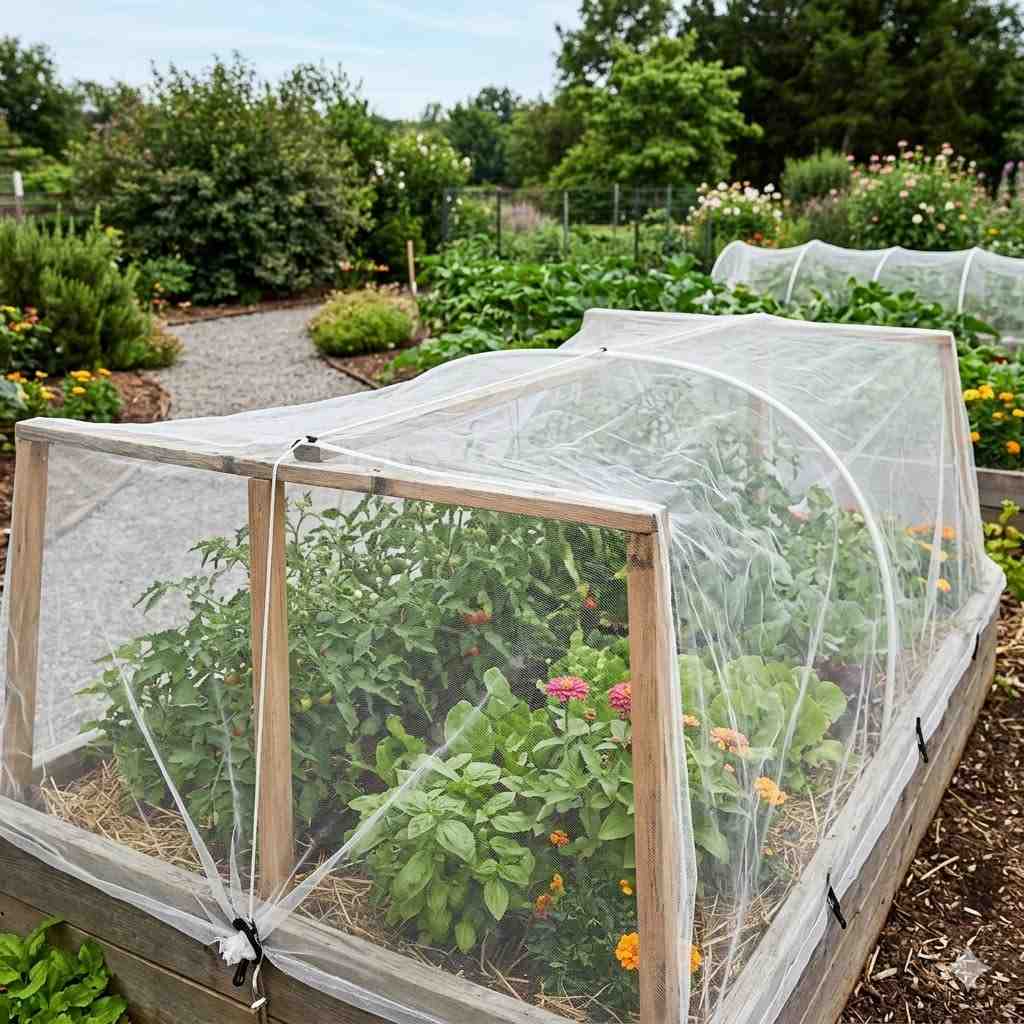
Putting up your protection does not have to be a difficult task for any gardener. You can use simple wooden stakes or plastic hoops to hold the netting above your crops. It is important that the material does not touch the leaves of the plants directly. If the netting rests on the leaves, butterflies might still lay eggs through the tiny holes. Consequently, you should create a little tent or a cage to give your plants plenty of room to grow. Make sure you pin the edges of the netting firmly to the ground so nothing can crawl underneath.
Keeping Pests Away With Quality Netting
A healthy garden requires a bit of planning and the right tools to succeed. While butterflies are the main concern for some, other creatures like to visit your vegetable patch too. Birds often fly down to steal your berries or pull up your fresh seedlings. You might consider using Bird Control Netting if you notice feathered friends causing trouble in your yard. This type of cover works very similarly to the mesh used for butterflies. Using netting ensures that your harvest stays exactly where it belongs. You can rest easy at night knowing that your plants remain tucked away under their covers.
Actually, many gardeners use different types of covers for different seasons. Heavy-duty netting works wonders during the spring when everything starts to grow quickly. During this time, the pests are most active and looking for a quick snack. If you provide a barrier, the insects will simply fly away to find food somewhere else. This means your garden stays healthy without much extra work from you. Using netting saves you a lot of time because you do not have to pick off caterpillars by hand. It simplifies your gardening routine and makes the whole process much more fun.
Benefits Of Fine Mesh Netting
Fine mesh provides a great way to keep the air moving around your vegetables. Good airflow prevents mould and keeps the plants from getting too hot in the summer sun. Because the netting is so thin, it does not block the vital energy from the sun. Your plants will still grow tall and strong while they stay hidden from the bugs. Most people prefer this clear or white netting because it blends into the garden beautifully.
Why Durable Netting Lasts Longer
If you buy cheap materials, they might rip during a heavy rainstorm or a windy day. High-quality netting uses strong threads that resist tearing and stretching over time. You should invest in a roll of netting that feels sturdy and has reinforced edges for extra strength. When the growing season ends, you can wash the netting and store it in a dry place. This allows you to use the same material again next year, which saves you money.
Protecting Your Veggies Using Butterfly Netting
Vegetables like kale and cauliflower are favourites for many garden pests. These plants have large leaves that provide the perfect home for hungry larvae. By covering these specific rows with butterfly netting, you stop the cycle of damage before it starts. It is much easier to prevent a problem than it is to fix one later on. Many professional growers rely on netting to ensure they have enough food to sell at the markets. You can use the same secrets in your own backyard to get professional results.
Furthermore, using netting helps to keep your garden looking green and vibrant all summer long. Without holes in the leaves, your plants can focus all their energy on growing big and healthy. You will notice that your vegetables taste better when they grow in a stress-free environment. Since you are not using poisons, the soil stays healthy for the worms and helpful bugs too. Keeping your netting tight and secure is the best way to maintain a perfect garden. It really is the simplest way to grow your own food at home.
How To Secure Your Netting To The Ground
You can use heavy stones or metal pegs to keep the fabric from blowing away in the breeze. If you leave even a small gap, a clever bird or a bug might find its way inside. Therefore, you should check the perimeter of your netting every few days to ensure it stays shut. Some gardeners like to bury the bottom inch of the netting under the soil for a perfect seal. This prevents slugs and snails from sliding under the edge to reach your lettuce.
Cleaning Your Butterfly Mesh For Re-use
At the end of the autumn, your covers might have some dirt or old leaves stuck to them. You can simply spray the net with a garden hose to get it clean again. Let the net dry completely in the sun before you fold it up for the winter months. If you store it while it is wet, it might smell bad or grow tiny black spots. Taking care of your ne means it will be ready to protect your plants again next spring.
Helpful Tips For Butterfly Mesh Success
Consistency is the secret to a great garden that everyone will admire. You must put your butterfly netting in place as soon as you put your plants in the ground. If you wait too long, the butterflies might get there first and hide their eggs. Once the eggs hatch, the net will actually trap the caterpillars inside with your food. So, you must be quick and get your covers ready early in the season. You can even set up the frames before you start planting to save time.
Additionally, you should tell your neighbours about the benefits of using net in their yards too. If everyone uses protection, there will be fewer pests in the whole neighbourhood. This makes gardening easier for everyone and helps the local birds find natural food sources instead. You can find many different sizes of net at your local garden centre or online shops. They often come in big rolls that you can cut to fit your specific garden beds. Using net is a budget-friendly way to improve your gardening skills.
Watering Through Your Garden Mesh
You do not need to take the covers off every time your plants feel thirsty. Most net allows water to pass right through the holes without any trouble at all. This means you can use a watering can or a hose directly over the top of the mesh. The net even breaks up heavy raindrops so they do not hurt your delicate seedlings. This soft watering method helps the soil stay moist and prevents the ground from getting too hard.
Using Bird Control Mesh For Fruit Trees
If you grow cherries or apples, you know that birds love to peck at the ripening fruit. Wrapping your trees in bird control net prevents the birds from reaching the sweet treats. You should choose a larger size of net for trees so it can cover all the branches easily. Make sure you tie the net loosely around the trunk so the tree can still breathe. This ensures that you get to eat the fruit instead of the local wildlife.
Conclusion
Using net is a simple and effective way to keep your garden thriving. It protects your plants from butterflies, birds, and other hungry creatures without using any chemicals. By following these easy steps, you can create a safe space for your vegetables and flowers to grow. Remember to choose high-quality materials and secure them firmly to the ground for the best results. A little bit of effort with your net today will lead to a wonderful harvest later in the year. Enjoy your time in the garden and stay happy while you grow your own food. Get More Blogs
Frequently Asked Questions
Can bees get through butterfly netting to pollinate my flowers?
Most butterflies are larger than bees, so some mesh sizes might block them both. You should look for net with slightly larger holes if you want bees to visit. Alternatively, you can lift the cover for a few hours in the morning when the bees are most active.
Will butterfly netting protect my plants from heavy frost?
While the mesh is great for bugs, it is usually too thin to stop a hard frost. You might need a thicker garden fleece if the weather gets very cold at night. However, the net can provide a tiny bit of shelter from light wind and cold breezes.
How do I stop birds from getting tangled in the mesh?
You must keep the net pulled tight over a frame so it does not hang loosely. When the material is taut, birds can see it easily and will not try to fly into it. This makes the garden safe for your plants and the local animals too.
Is it okay to leave netting on all year round?
You can leave the net out, but it is better to take it down during the winter. Heavy snow can weigh down the mesh and break your support frames or poles. Storing it inside will also protect the fabric from the harsh winter weather.